Posted On: November 25, 2024
As a physician, my mission is to ensure that you have the knowledge and tools to live your healthiest, most vibrant life. One of the most pressing health issues affecting adults today is diabetes—a condition that touches the lives of nearly 12% of Americans (over 38 million people) and often goes unnoticed until significant complications arise. One in five people with diabetes don’t even know they have it. Together, we can change that through awareness, proactive management, and personalized care.
In this blog, I want to share some insights on how diabetes presents and progresses in both women and men, the differences in care, and the opportunities we must manage and even prevent this condition.
What is Diabetes? Understanding the Differences Between Men and Women
At its core, diabetes arises when your body either doesn’t produce enough insulin or struggles to use it effectively. This leads to elevated blood sugar levels, which, over time, can damage blood vessels, nerves, and organs. Left unmanaged, diabetes increases the risk of heart disease, kidney problems, vision loss, and more. There’s an adage in the medical community which states, “It’s not IF a person with diabetes will develop heart disease, but WHEN.”
Management strategies for diabetes must be as individualized as the patients they serve. Research indicates that women are often diagnosed later in the disease process than men, making early detection critical. Differences in managing diabetes can include medication dosages, recommended diets, and types of lifestyle changes.
The good news is that diabetes is often preventable—or, at the very least, manageable with the right strategies. Here are some steps to consider:
More good news is that advancements in healthcare technology have made managing diabetes easier and more effective than ever. Some tools I recommend are:
These tools are not just convenient—they give you greater control and peace of mind in managing your health.
Diabetes is a complex condition with different symptoms and treatments for men and women, but with early detection, personalized care, and the right tools, you can live a vibrant and fulfilling life. If you have concerns about diabetes or its risk factors, I encourage you to bring them up during your next visit. Together, we can build a plan that prioritizes your health and empowers you to thrive.
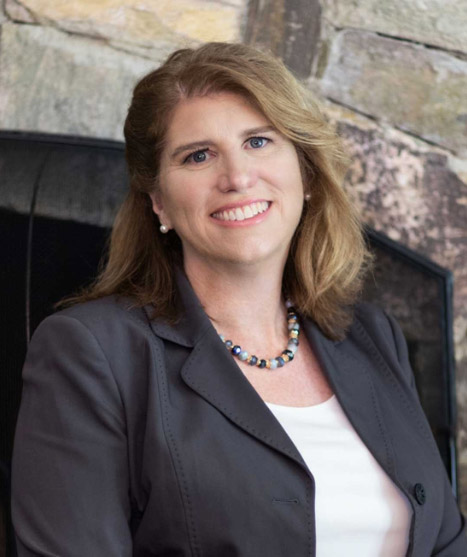
Leading the way in women's healthcare is renowned board-certified internal medicine doctor Dr. Eileen West. She has over 20 years of experience and is recognized for her expertise in menopause, osteoporosis, and cardiovascular disease prevention. Her excellence-driven compassionate approach, which is associated with the American College of Physicians, improves the lives of her patients by putting a strong emphasis on their overall well-being.
Location: Fairfax, Virginia
Areas of Expertise: Women's Health, Menopause Management, Cardiovascular Disease Prevention, Osteoporosis Diagnosis and Treatment.


Many cancers are most treatable when caught early. Thoughtful screening—based on your personal risk factors, family history, and lifestyle—is one of the most powerful tools we have. Prevention doesn’t mean fear. It means staying informed, proactive, and supported. Learn more in our blog: https://www.eileenwestmd.com/blog/do-you-know-your-hereditary-risk-for-breast-cancer/ #cancerprevention #earlydetection #preventivecare #conciergemedicine #healthplanning

Heart failure often develops gradually—and earlier intervention can significantly improve outcomes. Signs may include shortness of breath, swelling in the legs, rapid weight gain, or ongoing fatigue. If you’re experiencing any of these symptoms, we encourage you to check in with your doctor. We focus on identifying risk early and managing the whole picture, not just symptoms. #hearthealth #earlydetection #wholepersoncare #conciergemedicine #healthawareness #longtermwellness #EileenWestMD

Health isn’t defined by weight, willpower, or perfection. We believe in compassionate, judgment-free care that focuses on both physical and emotional health. #mentalandphysicalhealth #wholepersoncare #healthwithoutshame #conciergemedicine #supportmatters #EileenWestMD
Join our Email Newsletter to get the latest and greatest tips on ways to maximize your health, invitations to educational events, and other practice news!
By submitting this form, you are consenting to receive marketing emails from Eileen West, MD and Associates.